
Many people are under the impression that skunks hibernate during the winter. While skunks do typically go dormant for a month or so during the winter season, they do not truly hibernate.
 True hibernators have a considerably lower heart rate, have almost no respiration and only take a couple of breaths per minute. Skunks do not have these drastic drops in heart rate or respiration. Skunks do prepare for winter in similar ways as hibernating animals though. They eat large amounts so that during the long naps they do take they can survive on their fat stores.
During their long winter naps, skunks can sense a rise a temperature. This easily wakes them and they usually immediately search for food. Males are typically more active than females, so if you happen to come across a skunk during the winter months, it is likely a male.
Where do Skunks Live in the Winter?
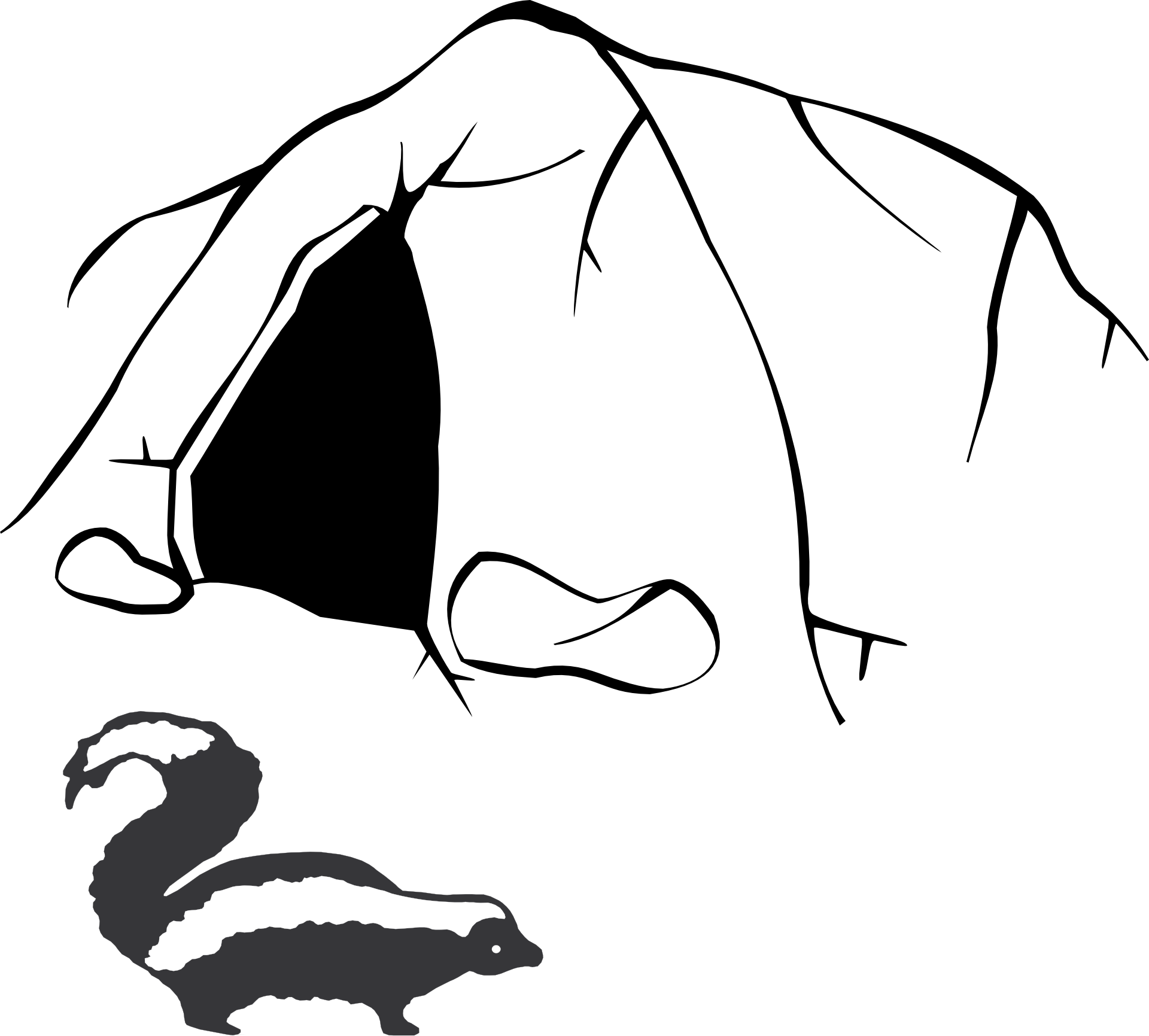 During the winter, skunks usually live in a burrowed den underground. They usually line their dens with grass, leaves, and other foliage in order to keep warm and they have several entrances/exits to quickly escape danger. Skunks have been known to move in to an open shed or garage as well. Skunks are excellent diggers and seek the easiest point of entry. If you’re concerned about skunks moving in during the winter, keep an eye out for any holes, typically 3-4 inches, in your garden, yard, and around your home exterior. Skunks may also move in under your deck or porch and build a den there to avoid the elements. If you smell a musky odor and hear noises at night, you might have a skunk.
Skunks can do damage to your property if they decide to seek refuge there during the winter. Their burrowing for a den and digging for food are usually the most common nuisance. Your yard and garden may be damaged by a skunk searching for food or burrowing. Attic Solutions specializes in locating and sealing burrows, trapping and removing skunks, and fixing damage to your home.
As soon as you suspect you may have a skunk infestation, contact us online or call us immediately at 847-464-1861 for removal. We are trained professionals and equipped to deal with wild animals.
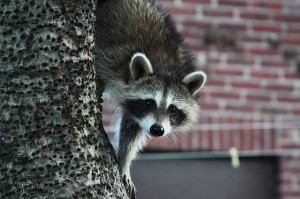
 Raccoons are certainly not picky eaters; in fact they will eat just about anything. Raccoons are carnivores as well as scavengers. The mainstays of their diet include mice, crabs, fish, frogs, nuts, and seeds. They also love to get into food that humans leave behind. This is why you may find your garbage strewn about if you leave it out overnight.
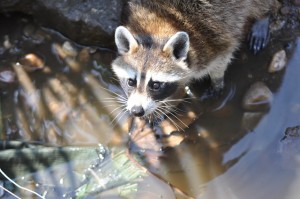 Perhaps one of the most unusual habits raccoons have is dunking their food in water before eating it. The raccoon’s scientific name is procyon lotor, which actually means “washing bear.” This makes sense considering their odd food-washing habit and bear-like markings. Raccoons are nocturnal animals, meaning they are active at night. Most raccoons spend the day in their dens and as soon as dusk approaches, they head out in search of food. Some places raccoons like to search include farms (crops are a big hit with them), ponds, lakes, and of course your garbage can. As sunrise approaches, raccoons typically call it a night and head back to their den to sleep.
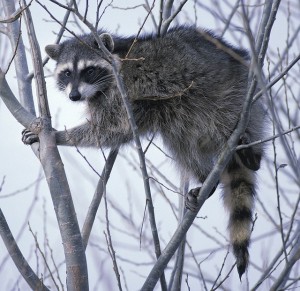 Raccoons do not hibernate in winter. This myth may have started because during very cold days raccoons take refuge in their warm dens. Depending on the climate and weather, raccoons may spend weeks in their dens, living off of their fat stores, until the climate becomes somewhat more mild. When raccoons are sleeping off the cold temperatures, those fat stores keep them alive since they do not eat. This is why raccoons seem to be particularly troublesome in the spring; they’re starving and they want YOUR garbage!
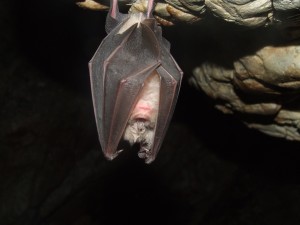 It is that time of year again, bat hibernation!
  Squirrels are one of the most common nuisance animals that invade homes and yards and they tend to find their way into the attic of a home.
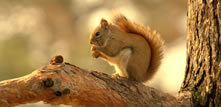 Preventing Squirrel Infestations